
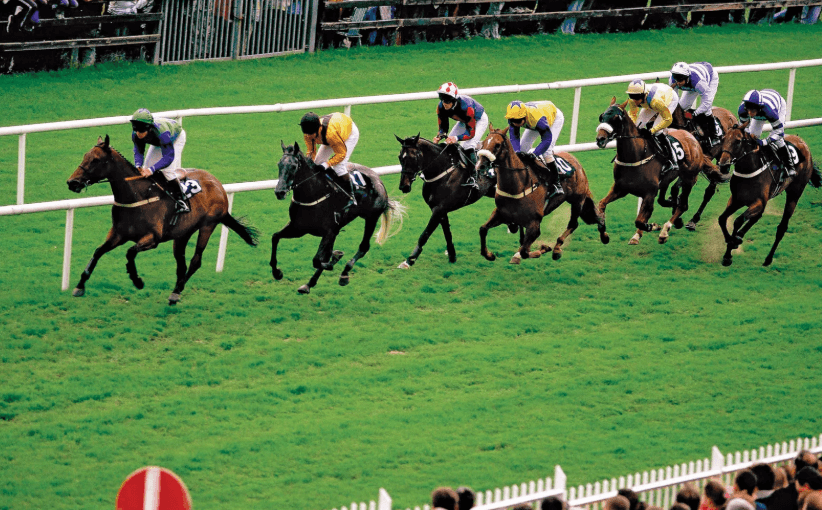
Horse racing is one of the oldest organized sports in human history, but it earned its famous title, the “Sport of Kings,” during a particular period in Europe. While horse racing today attracts fans from all walks of life, its association with wealth, nobility, and royal patronage is what gave it this prestigious identity. Understanding how this sport transformed from ancient contests into a royal obsession reveals why horse racing still carries an air of elegance and exclusivity.
From Ancient Roots to Royal Pastimes
Horse racing has ancient origins, with evidence of racing in civilizations such as Greece, Rome, China, and the Middle East. However, it was in medieval and early modern Europe that horse racing began to shift from a communal contest into a sport embraced by the nobility.
Kings and aristocrats owned the best horses, sponsored competitions, and often bred them to enhance speed and stamina. This royal involvement gave the sport not just prestige, but also the resources to develop into an organized and professional spectacle.
The Influence of British Royalty
The phrase “Sport of Kings” is most closely tied to British monarchs. In the 12th century, King Richard I and King Henry II were both passionate about horse breeding and racing. But the true golden age came later.
- King James I (1603–1625) established Newmarket in England as the birthplace of modern horse racing. He often organized races there, making it a royal center for the sport.
- King Charles II (1660–1685), known as the “Merry Monarch,” personally rode in races at Newmarket and became the first (and only) reigning English monarch to win a horse race as a jockey. His involvement cemented horse racing’s reputation as a kingly pursuit.
- Queen Anne (1702–1714) founded Ascot Racecourse in 1711, which remains one of the world’s most prestigious racecourses today.
Through these monarchs, horse racing became deeply tied to the identity of English royalty.
See also: The Ancient Roots of Horse Racing
The Role of Thoroughbred Horses
Another reason horse racing became the Sport of Kings was the development of the thoroughbred horse. In the 17th and 18th centuries, Arabian stallions were imported into England and bred with local mares. The result was a faster, stronger breed that revolutionized racing.
Only the wealthiest nobles and royals could afford these prized horses, and they became a symbol of prestige. Owning and racing thoroughbreds was a way for kings and aristocrats to display their wealth, status, and breeding skills.
The Spread Across Europe and Beyond
Royal patronage of horse racing did not stop in England. Across Europe, monarchs and emperors adopted the sport as a pastime. In France, horse racing was promoted by Louis XVI and later Napoleon. In Russia, Tsars hosted races to showcase their power.
As the British Empire expanded, so too did the culture of horse racing. From Ireland to India, Australia to America, the sport carried with it the aura of nobility and high society. Even in the United States, where democracy replaced monarchy, horse racing retained its elite associations, with wealthy industrialists and politicians sponsoring races.
The Social Dimension: Wealth, Gambling, and Prestige
Horse racing was not only about the horses—it was about society. The racetrack became a gathering place for aristocrats, where alliances were built, wagers were placed, and wealth was displayed. Betting on races added an element of risk and excitement, reinforcing the idea that the sport was as much about strategy and fortune as it was about speed.
For ordinary people, watching royalty and nobility at the races elevated the sport’s image. It wasn’t just a pastime—it was a cultural event tied to power, wealth, and influence.
Modern Horse Racing and Its Royal Heritage
Even today, horse racing’s royal heritage is unmistakable. The Royal Ascot in England remains one of the most iconic events in the sport, attended by the British royal family every year. Queen Elizabeth II was famously passionate about horses and owned numerous race winners.
Although the sport has become accessible to all, its historical ties to kings and queens still give it an unmatched aura of tradition, elegance, and class.
Conclusion
Horse racing became the “Sport of Kings” because of centuries of royal passion, investment, and prestige. From the establishment of Newmarket and Ascot to the breeding of thoroughbreds and the grandeur of European racecourses, the sport was shaped by monarchs who elevated it from a simple contest of speed into a royal spectacle.
Today, while millions of people worldwide enjoy horse racing, the title lives on, reminding us that the thunder of hooves on the racetrack once echoed most loudly in the courts of kings.
