
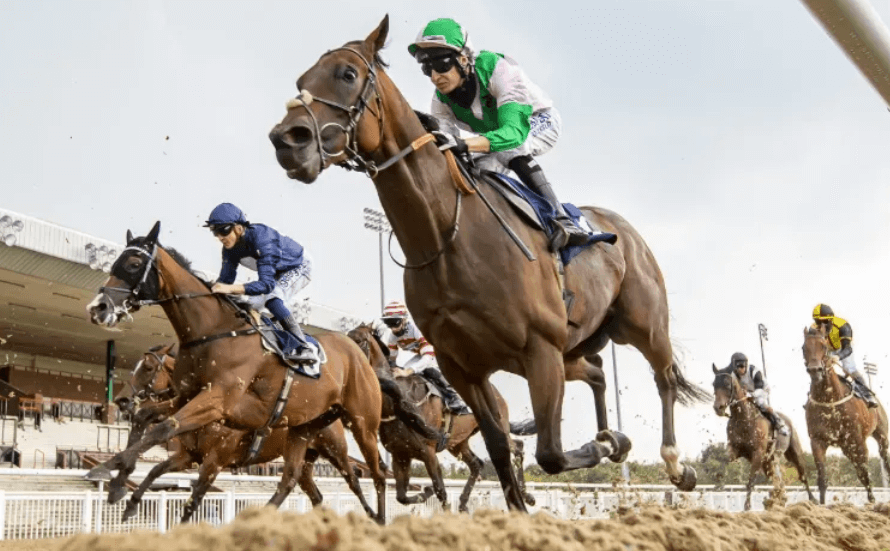
Horse racing is one of humanity’s oldest and most celebrated sports, with a history that spans thousands of years and cultures across the globe. From the earliest contests of speed on open plains to today’s billion-dollar industry of prestigious races, horse racing has continuously evolved while retaining its essence—the thrilling bond between horse and rider.
This timeline takes you through the key milestones in horse racing history, highlighting how the sport transformed from ancient traditions to the modern “Sport of Kings.”
4500 BC – The Domestication of Horses
The origins of horse racing can be traced back to the Eurasian steppes, where humans first domesticated horses. While the initial use of horses was for transportation and warfare, early tribes soon began informal contests to test speed and stamina. These simple races laid the foundation for organized horse racing.
648 BC – Horse Racing in the Ancient Olympics
Horse racing became an official event at the Olympic Games in Ancient Greece, introduced in 648 BC. Two main types of racing dominated:
- Chariot Racing – Teams of horses pulled a chariot, often leading to spectacular (and dangerous) races.
- Mounted Racing – Riders raced bareback, testing both horse speed and rider skill.
These events drew massive crowds and became symbols of heroism and victory.
See also: How Horse Racing Became the “Sport of Kings”
27 BC – 476 AD: Roman Chariot Racing
The Romans expanded on Greek traditions, elevating chariot racing into massive spectacles. The Circus Maximus in Rome could seat over 250,000 spectators, making it one of the largest sporting arenas in history. Chariot racing wasn’t just entertainment—it was political, with wealthy sponsors using races to gain popularity and influence.
7th–9th Century – Horse Racing in the Middle East and Asia
In China, horse racing became part of imperial festivals and military training. During the Tang Dynasty (618–907 AD), races were popular at royal courts.
In the Middle East, Bedouins raced Arabian horses, prized for their endurance. This tradition of selective breeding later played a crucial role in shaping the modern thoroughbred.
12th Century – Crusaders Bring Back Arabian Horses
European knights returning from the Crusades introduced Arabian, Barb, and Turk horses to England. Crossbreeding these with local mares began the development of faster, more agile horses, setting the stage for thoroughbred racing.
1600s – The Birth of Modern Horse Racing in England
The foundations of modern horse racing were laid in 17th-century England:
- 1605 – King James I established Newmarket as the center of English racing.
- 1660s – King Charles II, known as the “Father of the Turf,” personally rode in races, giving the sport royal prestige.
- The introduction of structured racing formats and prizes marked the sport’s professionalization.
1700s – The Creation of the Thoroughbred
The thoroughbred breed was established in England through selective breeding of Arabian stallions with English mares. Three foundation stallions shaped the lineage:
- The Byerley Turk
- The Darley Arabian
- The Godolphin Arabian
In 1750, the Jockey Club was formed to regulate racing and maintain standards. Soon after, James Weatherby published the General Stud Book (1791), recording the pedigrees of thoroughbreds—a practice still followed today.
1800s – The Global Expansion of Horse Racing
The 19th century marked horse racing’s transformation into a worldwide sport:
- France – Longchamp Racecourse was established in 1857.
- United States – The Kentucky Derby (1875) became the first jewel of America’s Triple Crown.
- Australia – The Melbourne Cup (1861) emerged as “the race that stops a nation.”
- Japan – Western influence introduced thoroughbred racing, leading to a strong local industry.
Horse racing became not only a sport but also a cultural and social event.
1900s – The Rise of Modern Racing & Gambling
The 20th century brought technology and commercialization:
- Pari-mutuel betting systems made wagering more organized and profitable.
- Broadcasting and television brought races like the Grand National, Kentucky Derby, and Royal Ascot to millions worldwide.
- Breeding programs expanded internationally, creating bloodlines that connected horses across continents.
2000s – The Globalization of Horse Racing
Horse racing entered the 21st century as a multi-billion-dollar global industry:
- Prestigious races such as the Dubai World Cup, Breeders’ Cup, Prix de l’Arc de Triomphe, and Royal Ascot became international showcases.
- Advances in genetics, veterinary science, and training revolutionized horse performance and safety.
- Online betting and live streaming expanded the sport’s audience beyond racetracks.
Today – A Sport of Tradition and Innovation
While steeped in tradition, modern horse racing continues to adapt. Efforts are being made to improve animal welfare, integrity, and safety in the sport. At the same time, new technologies, global breeding partnerships, and digital platforms ensure that horse racing remains relevant and accessible to new generations of fans.
Conclusion
The history of horse racing is a journey that spans thousands of years—from ancient chariots in Greece and Rome to the glamour of Royal Ascot and the excitement of the Kentucky Derby. Each era has left its mark, shaping horse racing into the thrilling and prestigious sport we know today.
As we look to the future, horse racing continues to balance tradition with innovation, ensuring that the timeline of horse racing through the ages will carry on for centuries to come.
