
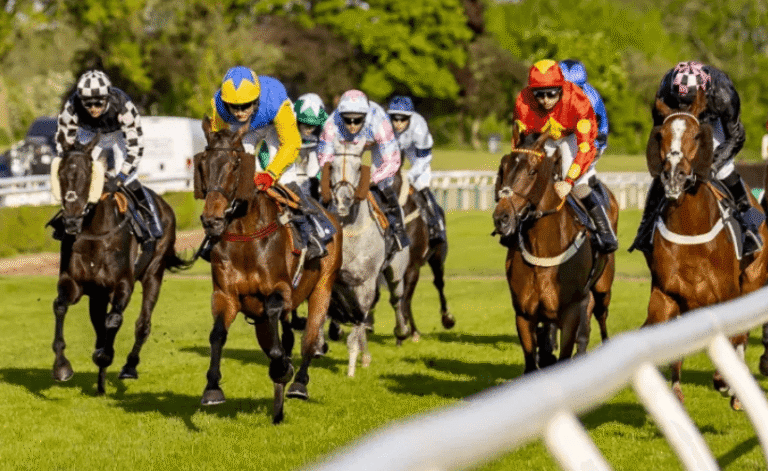
Horse racing is often called the “Sport of Kings,” but its origins stretch back thousands of years, long before it became a pastime for monarchs and aristocrats. From ancient civilizations to modern racetracks, horse racing has remained a thrilling blend of speed, strategy, and human fascination with the power of the horse. To truly understand the sport as we know it today, we must look back at its deep and ancient roots.
Early Beginnings: The First Races
The partnership between humans and horses dates back to around 4500 BC, when horses were first domesticated on the steppes of Central Asia. Initially used for transportation and warfare, it wasn’t long before people began testing their horses’ speed and endurance in informal races. These early contests were not only a form of entertainment but also a way to showcase breeding quality, strength, and prestige.
Horse Racing in Ancient Greece
In Ancient Greece, horse racing gained popularity as part of the Olympic Games, first introduced in 648 BC. Two major forms of racing emerged:
- Chariot Racing – Teams of horses pulled a chariot driven by a rider. These races were fast, dangerous, and often brutal, but they drew massive crowds.
- Mounted Horse Racing – Riders competed on horseback without saddles, testing both the speed of the horse and the rider’s ability to maintain balance.
Horse racing was so important in Greek culture that it was often depicted in art and literature, symbolizing both heroism and glory.
Roman Influence: Spectacle and Power
The Romans adopted horse and chariot racing from the Greeks but elevated it to a grander scale. The Circus Maximus in Rome could hold over 250,000 spectators, making chariot racing one of the most popular forms of entertainment in the empire.
Races were not only sporting events but also political tools. Wealthy patrons sponsored teams, gaining public favor and showcasing their power. Betting on races became widespread, showing that even in ancient times, the thrill of wagering was tied closely to horse racing.
Horse Racing in Ancient China and the Middle East
While Greece and Rome were building stadiums, horse racing traditions were also flourishing in China and the Middle East.
- In China, horse racing was closely connected to military training. Horses were essential for cavalry units, and racing was a way to test speed, agility, and stamina. The Tang Dynasty (618–907 AD), in particular, celebrated horse culture, with races held during festivals and royal events.
- In the Middle East, especially among the Bedouins, horse racing was part of desert culture. Arabian horses, known for their speed and endurance, became prized throughout the region. This tradition would later influence European horse breeding and shape the modern thoroughbred.
The Legacy of Ancient Racing
The roots of horse racing run deep across cultures. While the chariot races of Rome and the Olympic races of Greece are long gone, their spirit lives on in today’s racetracks. The evolution of horse breeding, the thrill of competition, and the connection between horse and rider are all traditions passed down from ancient civilizations.
Horse racing is not merely a modern sport—it is a timeless human pursuit that reflects our admiration for the horse’s strength, beauty, and speed.
Conclusion
From the dusty plains of Central Asia to the roaring crowds of the Circus Maximus, horse racing has always been more than just a competition. It is a story of culture, power, and passion that has survived for millennia. Today, every race run on modern tracks carries within it the ancient roots of horse racing, reminding us of a shared history between humanity and one of its most loyal companions—the horse.